
Little-Known Jewels | Cape Cod, Massachusetts

Full of gentle charm, Cape Cod welcomes travellers with its sandy beaches, salty breezes and small coastal towns that feel cosy and timeless.
Cape Cod was first visited by the Mayflower Pilgrims when they anchored off what is now Provincetown on 21 November 1620 after departing Plymouth, England on September 6, 1620. From here, they crossed what is now Cape Cod Bay to Plymouth where they settled a permanent colony. Little by little, town and other governments started ordering their societies; fishermen continued to ply waters around the Cape as farms supplemented other food sources.

Villages and then Towns sprung up across the Cape’s 400 square miles. It’s 560 miles of seacoast provided ample fishing grounds and recreation; between these and local farms, the Cape’s populations grew, were well fed and expanded. By the 18th century, Cape Cod had become a bustling hub for fishing and whaling, which flourished, with Cape ports pivotal in the global trade of whale oil.
As maritime industries receded, Cape Cod developed as a tourist destination in the late 19th/early 20th centuries. The region's natural beauty, beaches and charming villages attracted visitors from across America. Coastal landscapes, with rolling dunes and sparkling waters, offered peaceful retreats.. The Cape drew artists and writers, seeking inspiration from its tranquil scenery and unique light, leading to the creation of artist colonies. These creative communities contributed to Cape Cod's appeal, adding a cultural dimension to its natural attractions. Investment in infrastructure, such as the Cape Cod Canal, further boosted tourism. The Canal, completed in 1914, facilitated maritime navigation but also made the region more accessible to visitors. Improved transportation links, including the expansion of railroads and the development of highways, allowed more people to visit Cape Cod.

As maritime industries receded, Cape Cod developed as a tourist destination in the late 19th/early 20th centuries. The region's natural beauty, beaches and charming villages attracted visitors from across America. Coastal landscapes, with rolling dunes and sparkling waters, offered peaceful retreats. The Cape drew artists and writers, seeking inspiration from its tranquil scenery and unique light, leading to the creation of artist colonies.
Cape Cod National Seashore comprises 176.5 km2 including six renowned and award-winning beaches such as Coast Guard Beach
These creative communities contributed to Cape Cod's appeal, adding a cultural dimension to its natural attractions. Investment in infrastructure, such as the Cape Cod Canal, further boosted tourism. The Canal, completed in 1914, facilitated maritime navigation but also made the region more accessible to visitors. Improved transportation links, including the expansion of railroads and the development of highways, allowed more people to visit Cape Cod.
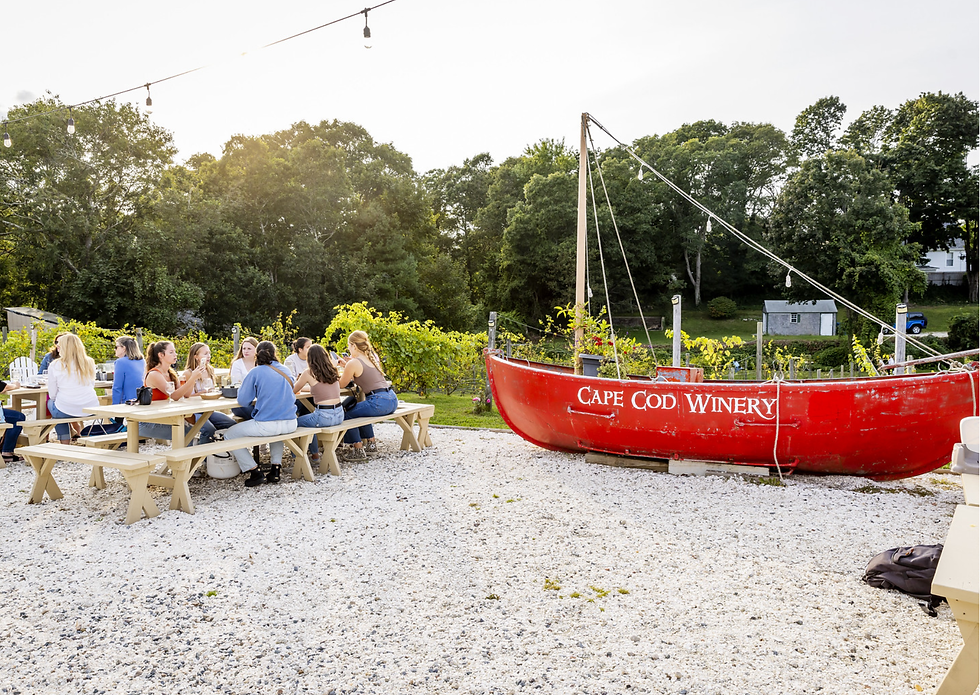
Cape Cod is a thriving destination, welcoming near six million visitors annually. The Cape offers a blend of historical sites, cultural attractions and modern amenities catering to a wide range of interests. Visitors can explore its rich history through its museums, historic homes, and lighthouses, each telling a unique story of the Cape's past. Cultural attractions abound, from art galleries and theaters showcasing local talent to music festivals and craft fairs celebrating the Cape’s artistic heritage.
Once on Cape Cod, visitors have their choices of 15 beautiful Towns to call home during their stays. The bended arm shape of the Cape comprises 15 distinctive Towns, starting from Bourne, Sandwich, Falmouth and Mashpee collectively named the Upper Cape; next Mashpee Barnstable, Yarmouth and Dennis, called the Mid Cape; next Brewster, Orleans, Harwich and Chatham comprise the Lower Cape; leaving Eastham, Wellfleet, Truro and Provincetown from which the Outer Cape is comprised, is difficult; the magic is mesmerizing with the National Seashore beaches and more rural landscapes.

Each Town has its own personality and appeal; this choice draw 6+ millions of visitors annually, each seeking certain aspects of the Cape’s geography, society and magic. From liberal, open-minded Provincetown to quaint and conservative Chatham, enlightened and expanding Mashpee to the magic of Falmouth, Bourne, and Sandwich, the Cape is so much a mosaic of America’s desire for self-expression and recreation!
Insider tips
Go to National Seashore and most other Cape beaches after 5PM to avoid paying the $25+ daily parking fee.
You can walk for free into most town beaches if you do not have a vehicle without paying a fee.
For sensory experiences, pay a free visit to Cape Cod Lavender Farm in Harwich and Truro Vineyards of Cape Cod.
Official travel info-source: www.capecodchamber.org
National Park Services: www.nps.gov

Comments